
CFD Risk Management: Capital Protection Strategies
Master CFD risk management techniques using Exness advanced tools, stop-loss orders, and position sizing strategies for Tanzanian traders.
💡 Protect your capital with smart risk control strategies:
- Stop loss strategies for CFD trading
- Hedging techniques to reduce trading exposure
- Advanced forex trading strategies explained
- Benefits of forex trading for beginners
Understanding CFD Risk Management Fundamentals
Contract for Difference (CFD) trading offers unique opportunities and challenges for Tanzanian traders. Our company provides tailored risk management tools adapted to local market conditions. CFD Risk Management is essential to protect capital while aiming for steady gains. Our system applies advanced algorithms analyzing volatility, asset correlations, and economic factors affecting Tanzania. Real-time monitoring tracks exposure across multiple assets, calculating margin demands dynamically.
Tanzanian users benefit from local currency hedging and volatility adjustments specific to emerging markets. Educational materials focus on East African market traits and regulatory frameworks. Our approach integrates international standards with localized trading hours and preferences. Execution speed and precision form the platform’s core risk protection features, ensuring timely position management.
| Risk Management Tool | Function | Tanzanian Market Application |
|---|---|---|
| Stop-Loss Orders | Automatic position closure | Safeguards against TZS currency fluctuations |
| Position Sizing Calculator | Determines optimal trade size | Considers Tanzanian purchasing power |
| Correlation Matrix | Analyzes portfolio diversification | Monitors East African asset interactions |
| Volatility Indicators | Assesses market conditions | Tracks emerging market volatility |
Understanding these tools helps traders maintain risk discipline and align strategies with market realities. We emphasize measurable metrics such as drawdown limits and risk-reward ratios. Our platform’s analytical dashboards provide continuous feedback on risk exposure. The system also alerts users to potential overexposure in real time. This foundation supports more advanced risk controls described in later sections.
Advanced Stop-Loss Strategies
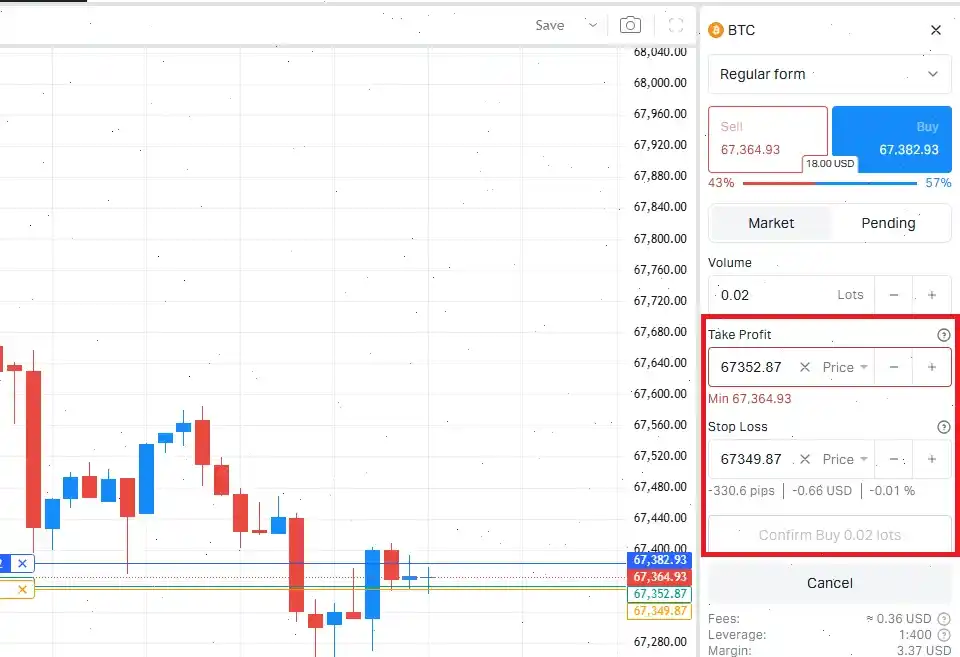
Exness offers multiple stop-loss order types catering to different scenarios. Standard stop-losses trigger at preset prices, while trailing stops move with favorable price changes. Guaranteed stop-loss orders assure execution at specified levels, even during fast market gaps. Percentage-based stops adjust for TZS volatility, adding dynamic protection for Tanzanian traders.
The platform supports stops based on Average True Range (ATR) to align with actual market fluctuations. Execution speed averages 0.3 seconds under normal conditions, ensuring rapid risk mitigation. Breakeven stops activate to secure profits after a position moves favorably. Partial stop-loss options enable closing a portion of a trade while keeping some exposure active.
Conditional stop-losses can be linked to technical indicators, news events, or timed triggers for sophisticated management. These features allow traders to adapt risk controls to evolving market conditions efficiently.
Dynamic Stop-Loss Adjustment
Our dynamic stop-loss system recalibrates levels based on volatility and sentiment shifts. Historical data, real-time market signals, and upcoming economic events influence stop repositioning. This ensures stops remain meaningful despite changing price behavior. Tanzanian traders benefit from volatility models tailored to regional factors and session overlaps.
Machine learning algorithms refine stop-loss settings by analyzing individual trading outcomes and broader market trends. The platform generates personalized recommendations to optimize stop placements. This intelligent adjustment reduces premature stop-outs while preserving downside protection.
Position Sizing and Capital Allocation
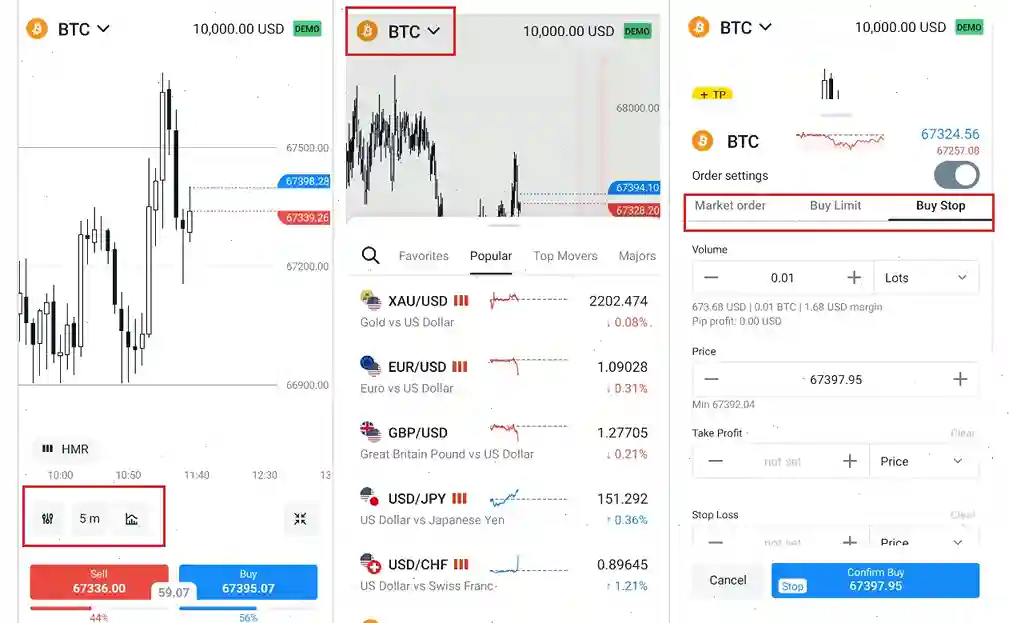
Position sizing is vital for effective CFD Risk Management. Our platform calculates sizes using methods like the Kelly Criterion and fixed fractional risk. We advise risking no more than 2% of account equity per trade and limiting exposure to 10% per asset class. This reduces risk concentration and preserves capital.
The position sizing calculator factors in account balance, risk tolerance, stop-loss distance, and current volatility. Currency conversions between Tanzanian shillings (TZS) and account denominated currencies are handled automatically. Margin requirements adjust based on leverage and regulatory constraints applicable in Tanzania.
Advanced allocation models include equal weighting, risk parity, and momentum-based sizing. Automated rebalancing maintains target portfolio allocations as market values change. Detailed reports highlight concentration risks and cross-asset correlations to support diversification.
- Calculate maximum risk per trade (1-2% of account balance)
- Determine stop-loss distance in pips or percentages
- Input current TZS exchange rates for currency conversion
- Apply leverage multiplier based on account type
- Confirm margin requirements comply with Tanzanian regulations
- Execute position with calculated optimal size
Portfolio Diversification Strategies
Diversification spreads risk across different asset classes, sectors, and regions. We provide correlation matrices that identify diversification opportunities and risks. The platform alerts traders if position clustering exceeds safe limits. Emerging market strategies consider regional economic and currency factors relevant to Tanzania.
Sector allocation models cover commodities, currencies, indices, and stocks. Portfolio beta metrics guide hedging decisions during volatile phases. Our system encourages risk reduction through balanced exposure, improving portfolio resilience.
Leverage Management and Margin Control
Leverage magnifies gains and losses, requiring careful control. Our platform offers leverage from 1:1 up to 1:2000, depending on asset type and regulations. Margin requirements vary: major forex pairs require 0.5%, while exotic pairs and commodities demand 2-5%. Real-time margin usage is monitored with alerts at 60% equity levels.
Negative balance protection prevents accounts from falling below zero. Multiple margin calculation methods are supported: FIFO, hedged margin, and netting. Detailed margin reports show used margin, free margin, and margin level percentages. During high volatility or key economic events, leverage is dynamically reduced to limit risk.
| Leverage Ratio | Margin Requirement | Recommended Experience Level | Risk Classification |
|---|---|---|---|
| 1:30 | 3.33% | Beginner | Conservative |
| 1:100 | 1.00% | Intermediate | Moderate |
| 1:500 | 0.20% | Advanced | Aggressive |
| 1:2000 | 0.05% | Expert | High Risk |
Margin Call Prevention Strategies
Our system continuously monitors margin levels and alerts users before margin calls. Notifications are sent by SMS, email, and platform pop-ups when margin falls below 100%. Automated recommendations suggest position adjustments or additional deposits. Positions are closed automatically at 20% margin to protect remaining capital.
Margin forecasting tools project future requirements based on open trades and planned activity. Tanzanian traders receive support through our Swahili-speaking team for margin-related queries. These features help maintain trading continuity while managing risk prudently.
Technical Analysis for Risk Assessment
Technical analysis is integrated into our risk management framework to provide objective market insights. We offer over 30 built-in indicators such as RSI, MACD, Bollinger Bands, and Moving Averages. Multiple timeframes from 1-minute to monthly charts allow detailed trend evaluation.
Pattern recognition algorithms detect support, resistance, trend channels, and reversals automatically. Sentiment indicators based on order flow and positioning complement technical signals. Stop-loss levels can be set according to technical zones for disciplined risk control.
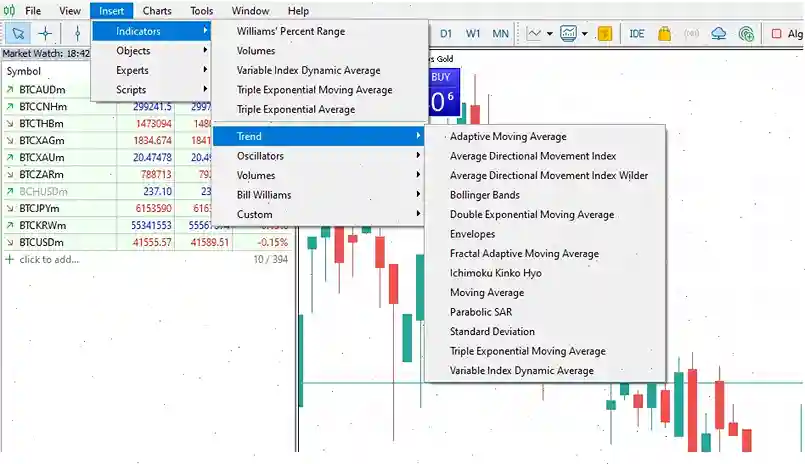
Volatility tools like Average True Range (ATR) assist in defining stop-loss distances and position sizes. Volatility forecasting models estimate potential price swings, guiding risk adjustments. These tools enable Tanzanian traders to align risk parameters systematically with market conditions.
- Analyze trends using multi-timeframe charts
- Identify support and resistance for stop placements
- Calculate volatility with ATR and standard deviation
- Evaluate market sentiment via volume and momentum
- Set risk parameters based on technical signals
- Monitor for signals indicating position adjustments
Automated Risk Management Signals
The platform generates real-time risk alerts based on combined technical indicators. Price action, momentum changes, and volatility shifts trigger notifications sent via app, email, or SMS. Expert Advisor (EA) compatibility allows automated risk management execution.
Algorithmic strategies can adjust stop-loss, sizing, and allocations automatically. Backtesting functionality enables performance evaluation before live deployment. These features enhance risk discipline and responsiveness to market fluctuations.
Economic Calendar Integration
Our integrated economic calendar highlights events impacting CFD risk levels. It covers major currency, commodity, and index announcements relevant to Tanzania. Pre-event warnings suggest position adjustments or hedging to mitigate risk.
Events are categorized by impact and historical volatility data is provided. Risk assessments estimate potential price moves and recommend stop-loss modifications. East African market commentary is offered regularly to keep traders informed.
Real-Time Risk Monitoring Systems
Our infrastructure continuously calculates portfolio risk metrics during trading hours. Key measurements include Value at Risk (VaR), maximum drawdown, and correlation coefficients. Alerts trigger when limits are exceeded or positions become too risky.
The dashboard displays exposure, margin usage, and profit/loss broken down by asset class. Intraday risk fluctuations are tracked and detailed risk-adjusted return reports generated. Circuit breakers prevent new trades if risk thresholds are breached.
Local market hours, TZS exchange rates, and emerging market volatility are factored into risk calculations. Mobile applications enable traders to monitor and manage risk remotely. Audit trails document risk decisions and automated actions for compliance.
| Risk Metric | Calculation Method | Alert Threshold | Action Triggered |
|---|---|---|---|
| Portfolio VaR | 95% confidence interval | 5% of account equity | Reduce position sizes |
| Maximum Drawdown | Peak-to-trough decline | 15% from account high | Send trading suspension alert |
| Correlation Risk | Cross-asset correlation | 0.7 correlation coefficient | Diversification warning |
| Margin Level | Equity/Used Margin | 150% minimum level | Margin call prevention |
Automated Risk Response Protocols
When risk limits are breached, our system acts automatically. It can reduce position sizes, close risky trades, or block new orders per configured rules. Customization allows matching responses to trader preferences and risk appetite.
Machine learning adapts protocols based on past performance and changing markets. Automated decisions are continuously optimized for effectiveness. Manual override options remain available for trader discretion.
Advanced Hedging Strategies
We support sophisticated hedging methods using multiple CFDs and currency pairs. Direct hedging enables opposing positions in the same instrument to lock profits or limit losses. Correlation-based hedging uses negatively correlated assets to lower portfolio risk.
Tanzanian traders benefit from currency hedging protecting against TZS exchange rate swings. Automatic hedge ratio calculation accounts for position sizes, correlations, and volatility. Pairs trading allows market-neutral strategies with long and short positions in related instruments.
Statistical arbitrage identifies temporary price divergences for hedging opportunities. Our hedging calculator assists with sizing and timing for effective hedge placement and exit. These tools help maintain balanced risk profiles amid market uncertainty.
- Identify portfolio risk exposures
- Select hedging instruments with negative correlations
- Calculate hedge ratios using correlation and volatility data
- Execute hedge trades with correct sizing and timing
- Monitor hedge efficiency and adjust as needed
- Close hedges when risk subsides or positions exit
Dynamic Hedge Adjustment
The platform adjusts hedge positions dynamically based on market changes. Continuous monitoring ensures hedge effectiveness remains optimal. Delta-neutral strategies maintain market neutrality regardless of price direction.
Options-like hedges create synthetic protection using CFDs. Time decay and cost factors are calculated to optimize hedge maintenance. Multi-leg hedges provide protection against multiple risk sources while minimizing costs.
Performance Analysis and Risk Optimization
Our platform generates detailed reports on risk-adjusted performance metrics like Sharpe and Sortino ratios. Maximum drawdown and volatility data are analyzed to evaluate risk management success. Historical performance reviews identify areas for improvement.
Attribution analysis links performance to specific risk decisions. Tanzanian traders receive tailored recommendations based on trading history and preferences. A/B testing allows comparing different risk strategies objectively. Predictive analytics forecast potential improvements from risk adjustments.
Risk-return optimization tools calculate efficient frontier curves for maximum expected returns at given risk levels. Portfolio adjustments are suggested to enhance risk-adjusted returns within acceptable parameters. This ongoing analysis supports disciplined and adaptive risk management.
❓ FAQ
How can Tanzanian traders set effective stop-loss orders on Exness?
Traders can select standard or trailing stop-loss orders in the platform’s order window. Setting stop levels based on ATR or technical support ensures alignment with volatility. Our system supports guaranteed stop-losses and partial closures for flexible risk control.
What is the recommended maximum risk per trade for CFD trading in Tanzania?
We advise risking no more than 1-2% of total account equity per individual trade. This helps preserve capital and manage exposure efficiently in volatile markets.
How does Exness protect Tanzanian traders from margin calls?
The platform provides real-time margin monitoring with alerts via SMS, email, and app notifications. Automatic position closures occur at 20% margin levels to protect remaining funds. Margin forecasting tools help plan future capital needs.
Can I automate risk management strategies on Exness?
Yes, the platform supports Expert Advisor compatibility allowing automated stop-loss adjustments, position sizing, and portfolio rebalancing. Backtesting features enable strategy optimization before live use.
How does currency hedging work for Tanzanian traders?
Automatic currency hedging protects against TZS fluctuations by opening offsetting positions in correlated currency pairs. Optimal hedge ratios are calculated based on correlations and volatility to minimize exchange rate risk.